
From October 27 to October 31, 2025, Materahub hosted the second edition of Creapolis, the European exchange and capacity-building programme supporting Ukrainian professionals working at the intersection of civic engagement, local community development, and cultural innovation. The programme, organized by b.creative and funded by the ERSTE Foundation, took place against the backdrop of the ongoing full-scale war in Ukraine and focused on post-war recovery, regional revitalization, and the role of culture and creativity in fostering social cohesion and community resilience.
This year, Materahub was entrusted with designing the educational programme, bringing its expertise in culture-driven development and community activation to the forefront. Creapolis offered a unique opportunity for Materahub to reflect on and showcase the achievements of recent years, highlighting how the city of Matera has built a story of rebirth and development rooted in culture, social inclusion, and innovative activation models that have positioned the city prominently within European cultural ecosystems.
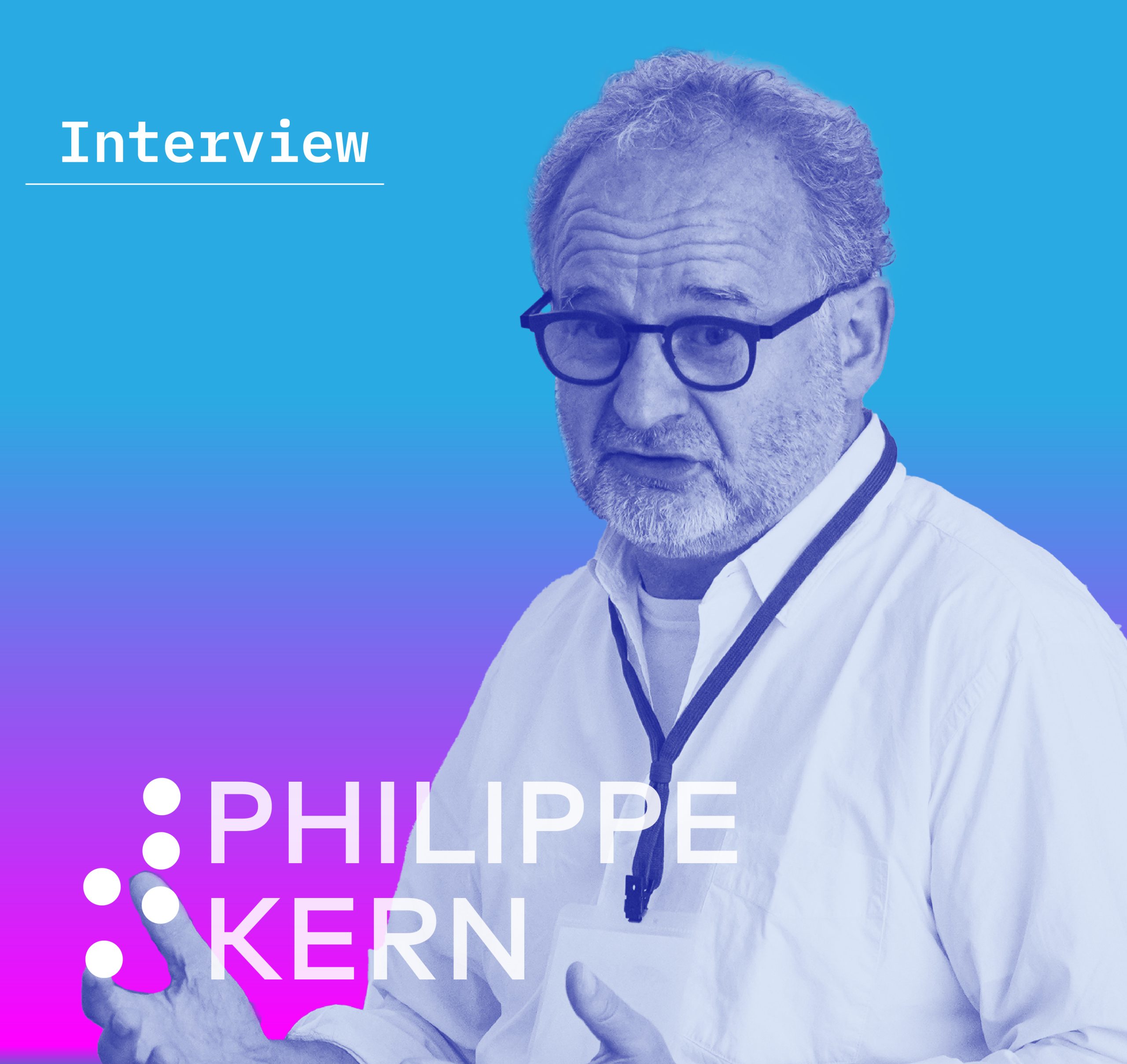
With heartfelt thanks to Yana Barinova, Philippe Kern, and Olena Sushkova for their trust in our team, and to everyone who welcomed the group and shared a glimpse of the magic they create daily through their work, we decided to interview Philippe Kern from b.creative to gain deeper insight into the vision behind Creapolis, its impact on participants, and the role of culture in driving resilience and social change across Europe.
Hello Philippe, let’s start with the Creapolis project. Can you tell us about the main objective of this initiative?
Creapolis was born as a training programme for Ukrainian professionals working in cultural management and creative industries policy, thanks to the incredible vision of Yana Barinova and the support of the ERSTE Foundation. With over 30 years of experience in the sector, founding and leading KEA and as former chairman of the b.creative network of young cultural and creative entrepreneurs, I was invited to manage the development of the programme in association with Materahub .
From the very beginning,the goal was to show, in a tangible way, how culture can drive both economic and social development. Matera, with its remarkable transformation over the years, is the perfect example to learn from. Its story of rebirth and cultural innovation made it a natural choice as the location and local partner for the second edition of Creapolis, where participants could see firsthand how culture can shape communities and inspire change.
Why was Matera chosen as the host city for the second edition of Creapolis?
Matera is living proof that a city in a peripheral and economically fragile area can reinvent itself through culture. Its journey as European Capital of Culture and the growth of a vibrant cultural and creative ecosystem show what can be achieved with vision, organization, and determination. Despite its challenges and disadvantaged context, Matera has succeeded in building a credible and inspiring narrative of transformation.
Located in the Basilicata region of southern Italy, Matera is a medium-sized city that has leveraged creativity and innovation as key drivers of local development. Through strong community engagement, cultural entrepreneurship, and international collaboration—especially following its designation as European Capital of Culture in 2019—the city has redefined its trajectory and become a model for others to follow.
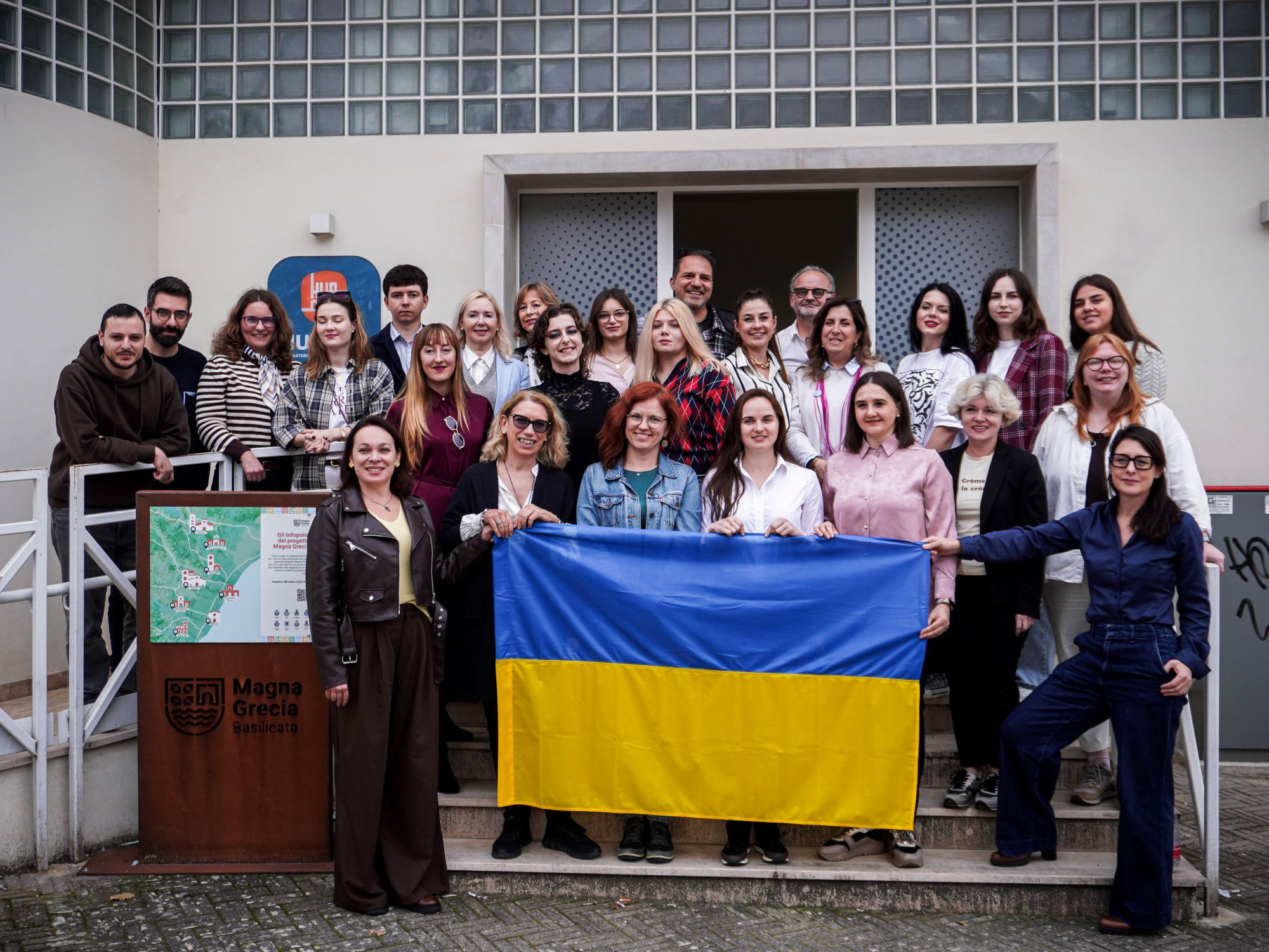
In this context, our local partner Materahub, which has benefited greatly from European Union support, played a crucial role. We wanted to show Ukrainian professionals that their country, too, can access similar opportunities, especially with post-war reconstruction in mind. Europe is a place for experimentation and funding, and it can serve as a vital bridge for Ukraine. It’s no coincidence that we received over 200 applications for Creapolis and selected 19 participants, including public officials, NGO workers, and academics, reflecting the wide interest in learning from Matera’s experience.
How was the programme in Matera structured, and what feedback did you receive from the participants?
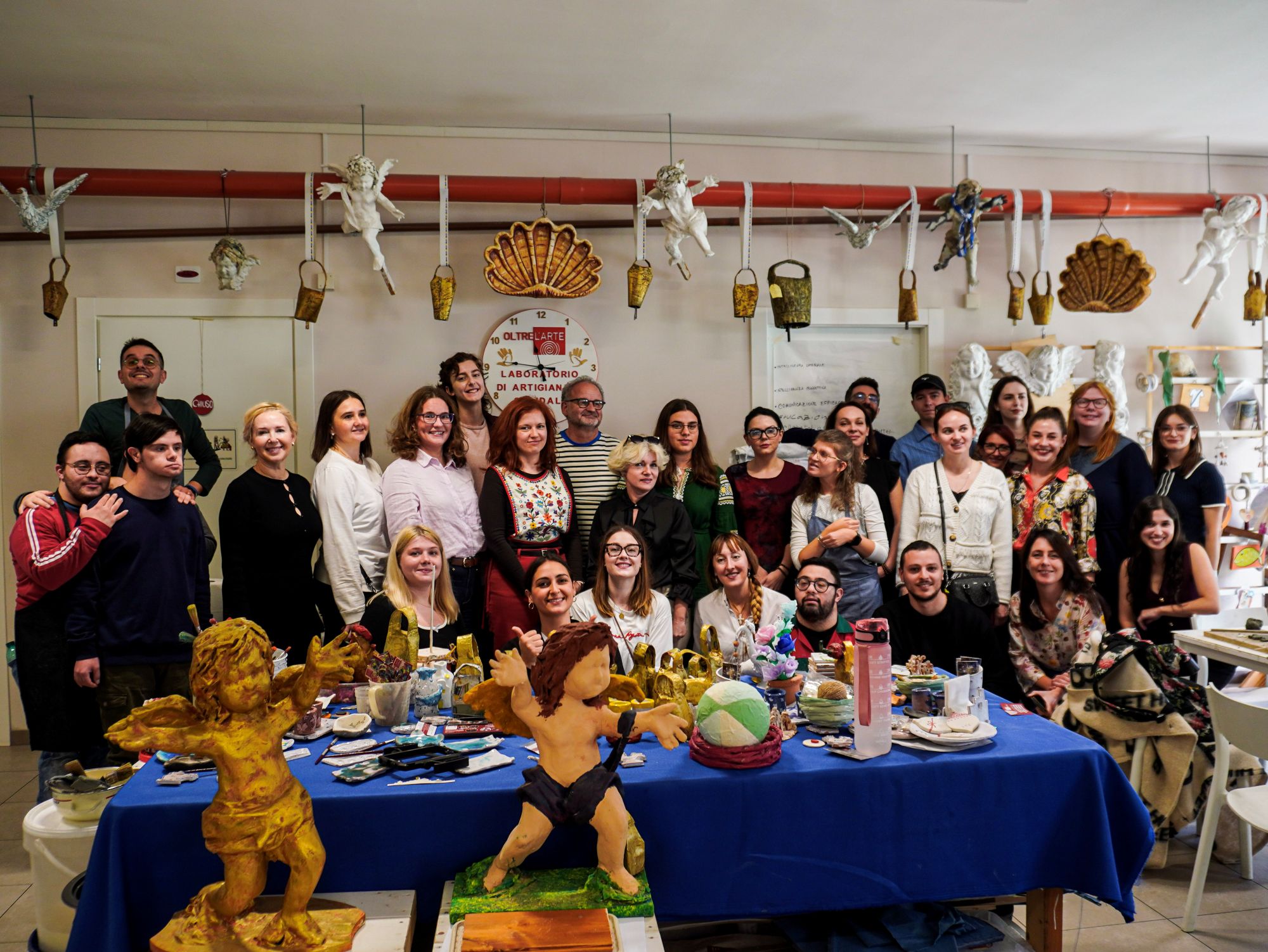
The programme was designed in close collaboration with Materahub, which provided a solid methodology for our participants. We prioritized a practical, hands-on approach, including meetings with local creative and social entrepreneurs to demonstrate what can be achieved on the ground. This approach was very well received, many participants told us they didn’t waste a single minute and felt energized by seeing these examples in action.
Over five days, participants explored how creative and cultural practices can contribute to sustainable and inclusive development, with a particular focus on their relevance for Ukrainian cities and communities. The programme addressed topics such as creative hubs as engines for local collaboration and resilience, business models and funding pathways for creative and social entrepreneurship, cultural heritage and tourism innovation as tools for community activation, social innovation, civic engagement, citizen-led initiatives, and European cooperation as a long-term strategy for regional transformation. These themes were explored through workshops, mentoring sessions, field visits, peer-to-peer exchange, and the application of the Creative Project Canvas methodology developed by Materahub.
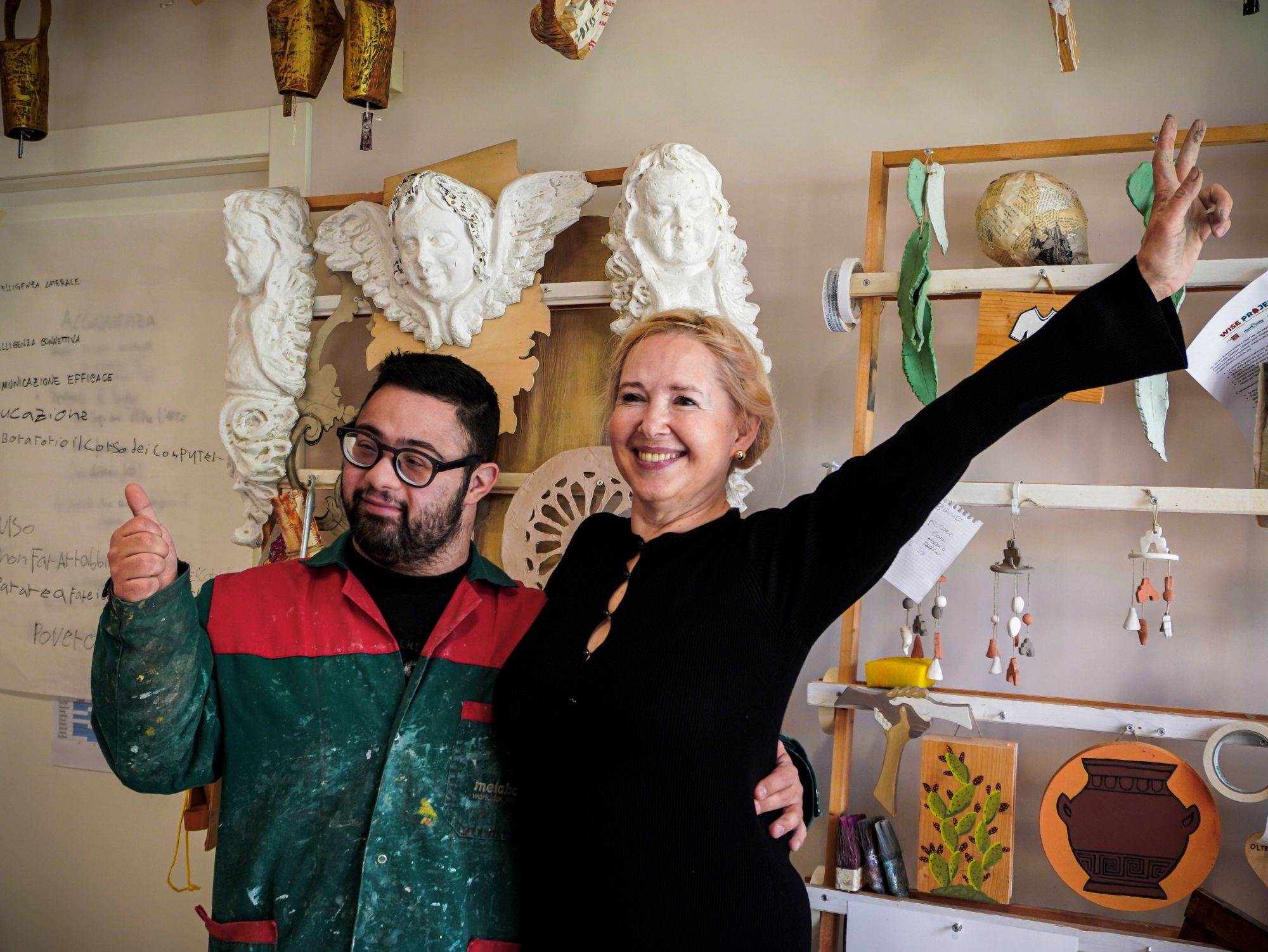
For many participants, Creapolis provided a moment to breathe and glimpse a hopeful future, even as they remained closely connected to news from Ukraine and could not fully detach from their reality. Creating a safe space for reflection and the expression of emotions was therefore a central element of the programme.
Moving forward, what is Creapolis’s strategy for the future?
Creapolis will continue to provide opportunities to gather, connect, and hope for better times. The programme, in fact, doesn’t aim to produce political recommendations but focuses on strengthening grassroots skills and capacity. As b.creative, we aim to keep collaborating and supporting international networking among Ukrainian entrepreneurs, with the goal of building a pool of professionals who genuinely believe in culture as a driver for rebuilding the country.
The wish to support Ukraine stems from a profound dislike of Russia’s war and terrorist actions and a desire to support those fighting for democracy and freedom. In this context, I profoundly believe in the power of creativity and cultural entrepreneurs : it teaches us to think differently, it shows the best ways to channel energy and passion into making communities more vibrant and cohesive.
Ukraine has the potential to develop a cultural policy framework even more advanced than that of many older European countries, leveraging its connections to Europe and accessing technical assistance programmes and dedicated funding. The real challenge lies in helping Ukrainian cities develop strategies—like Matera did—to access EU structural funds for cultural investment. A clear vision and strategic capacity are needed not only for physical reconstruction but also to strengthen civic participation and the democratic process.
One last question: what would you say to the Materahub team who worked on the programme?
I want to sincerely thank the ERSTE Foundation without which this programme would not be possible. Materahub, Paolo, and his entire team contributed to make Creapolis a huge success, making our participants happy to attend in difficult circumstances. They created exactly the kind of experience we were aiming for. Paolo sometimes doesn’t fully realize just how unique and valuable his contribution has been over these last decade, not only to the city of Matera but to the broader European cultural landscape, which continues to grow thanks to the dedication of the entire Materahub team.I was glad to learn that our researchs in KEA were instrumental in the birth of Materahub encouraging the implementation of Paolo’s vision to support his city through culture.